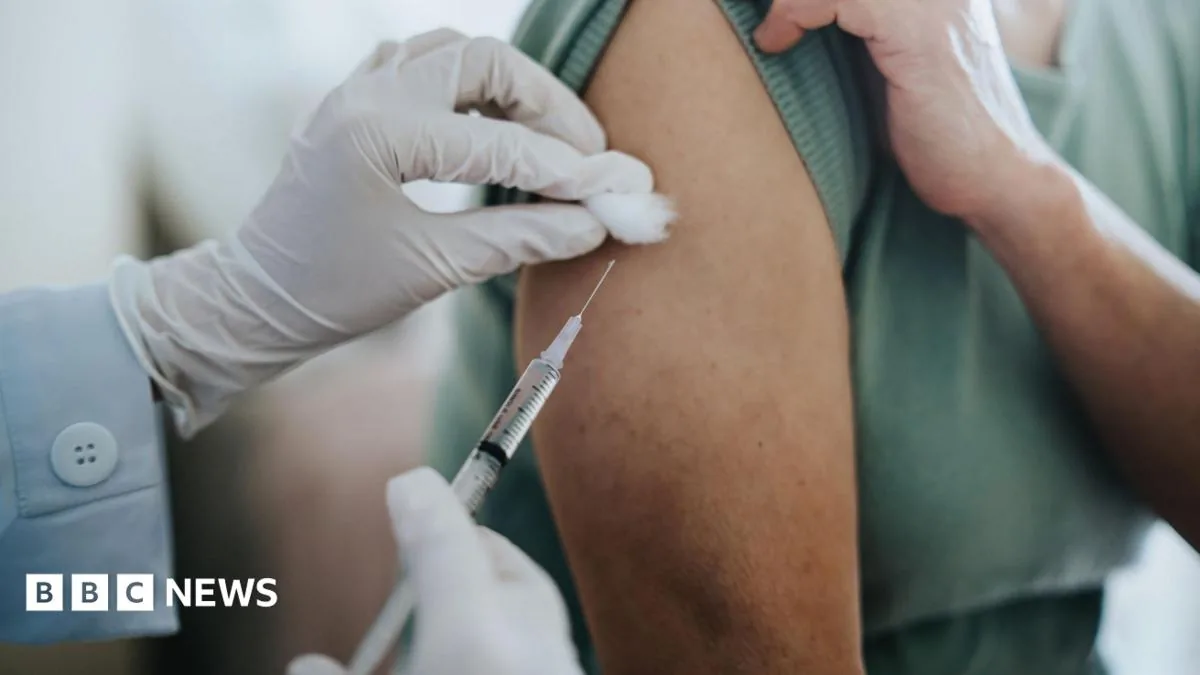
LONDON — A personalised cancer vaccine has stopped melanoma from returning in a trial, in what researchers say could be a major step forward in treatment. The jab, called Intismeran, was tested alongside the immunotherapy drug Keytruda in patients with high-risk skin cancer after surgery.
Drug firms Merck, known as MSD in Europe, and Moderna said the combination kept patients cancer-free for longer than Keytruda alone and lowered the risk of the disease spreading to other organs. The early findings are from a phase three study involving more than 1,000 people with stage two, three or four melanoma.
Experts have welcomed the results, but say they are cautious because the full data have not yet been published or independently peer-reviewed.
How the vaccine was designed to target each patient’s tumour
The treatment uses mRNA technology, which was also used in some Covid-19 vaccines, to create a jab tailored to an individual patient’s cancer. Scientists removed a small section of tumour tissue, sequenced its DNA and identified mutations that could be targeted by the vaccine.
That means the injection is not a one-size-fits-all product. Instead, it is designed to teach the immune system to recognise and attack any cancer cells left behind after surgery.
Merck and Moderna said this personalised approach is intended to direct the immune response more precisely than many existing cancer immunotherapies, which work by broadly stimulating the body’s defences.
NHS England says the treatment shows an important advance for patients
Prof Peter Johnson, national clinical director for cancer at NHS England, said the results were exciting and suggested the treatment could be important for patients. He told BBC Radio 4’s Today programme that many current immune treatments work by releasing the brakes on the immune system, while this one appears to guide it towards the cancer more specifically.
He added that the NHS was preparing to bring this kind of treatment to patients. However, any future rollout would still depend on regulatory approval and a separate decision before it could be made available on the NHS.
The companies are also testing similar personalised vaccines for lung, bladder and kidney cancers, indicating the technology could be used more widely if further trials succeed.
Cancer specialists urge caution until the full results are published
Outside experts have described the findings as promising, but they stress that this is still early evidence. The interim results have not yet been fully examined by independent scientists, and the companies said more detailed findings will be presented at a medical conference in October.
Dr Talisia Quallo, head of prevention and early detection at Cancer Research UK, said the work “shows promise” but needs full review. She said continued funding for research of this kind was vital so more people could benefit from personalised treatment options.
Dr Lennard Lee, a consultant medical oncologist and associate professor at the University of Oxford, said the study had wider implications beyond melanoma and provided proof of principle that personalised cancer vaccines can work.
What the early trial results could mean for cancer treatment
Moderna chief executive Stephane Bancel described the findings as a pivotal moment for cancer research, while shares in both Moderna and Merck rose after the announcement. Even so, the treatment is still at an experimental stage and must go through further checks before any routine use.
The results have attracted attention because high-risk melanoma can return or spread even after surgery, making treatments that reduce that risk particularly valuable. If later-stage evidence confirms the early data, personalised vaccines could become an additional tool alongside surgery and immunotherapy.
For now, the main message from researchers is that the trial is encouraging, but not yet the final word. More complete evidence will be needed before doctors can judge how far the approach can be taken in everyday care.
The latest UK news and stories from The Rotation.