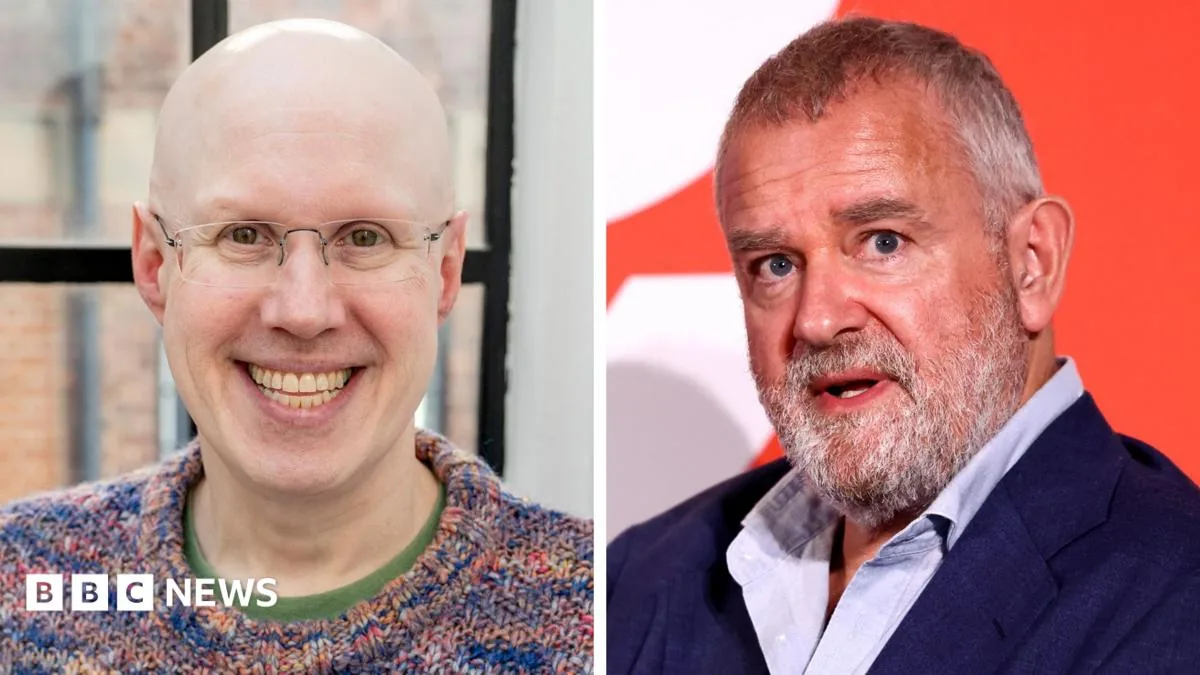
LONDON — Actors including Matt Lucas, Hugh Bonneville and Nicola Coughlan have written to the UK government calling for stronger protection against artificial intelligence being used to clone their voices.
The performers want legislation giving every person in the UK a legal right to own their voice, amid concern that recordings can now be copied quickly and convincingly with AI tools. The campaign says voice theft is becoming harder to stop and is leaving performers exposed.
More than 80 people from the performing arts have signed the letter, with supporters arguing that the law has not kept pace with the technology.
Performers say voice theft is growing faster than the law
Audiobook narrator Alice Sockett, who co-founded the campaign, described the issue as an existential threat to the industry. She said her own voice is already in the public domain but has no effective protection against being copied.
She said theft of voices is increasing week by week, and warned that the ability to create convincing digital copies from a few seconds of audio has changed the scale of the problem. High-quality clones can still require more training data, but the technology is advancing quickly.
Other signatories echoed that concern. Siobhán McSweeney said she was deeply worried that government action was lagging behind the technology, while stressing that audiences still want the human connection that comes from real performers.
Government says it will consult on the harms and benefits
A government spokesperson told the BBC that digital replicas can be a useful tool, including for creative industries, but that they can also cause harm.
The spokesperson said ministers value and protect human creators, and added that the government will launch a consultation on how to deal with the risks while still supporting legitimate innovation.
The letter from performers is aimed at pushing that process further, with the signatories arguing that legal protection should cover voice use in the same way that other forms of identity are guarded.
AI voices can help some people but raise wider identity concerns
The campaign comes as AI voice technology is also being used for reasons many people welcome. Some people who can no longer speak clearly because of illness have used cloned voices to communicate, with Yvonne Johnson describing the effect as life-changing after losing her voice to motor neurone disease.
She said the technology brought her closer to her family because it restored something they had started to forget. That example has been cited by supporters of AI as proof that the tools can be genuinely helpful when used responsibly.
At the same time, others have used AI to recreate deceased relatives, including through holographic presentations. Those uses have prompted fresh debate about consent, ownership and the limits of digital identity, with lawyers warning earlier this year that existing UK law may no longer be fit for purpose.
Campaign adds pressure as debate over digital replicas grows
The performers behind the letter argue that the same technology that can assist speech-impaired people can also be turned into a weapon against working actors, singers and narrators.
Scottish singer Sandi Thom is among those backing the call, saying her voice is unique to her and bound up with her life experiences and emotions. She said creativity matters, and that people should not be replaced by synthetic copies.
The campaign reflects a wider concern in the creative industries that AI systems can be trained on real performances without adequate permission or compensation. With ministers preparing to consult on the issue, the performers are pushing for clearer rights before the technology becomes even harder to control.
The latest UK news and stories from The Rotation.